
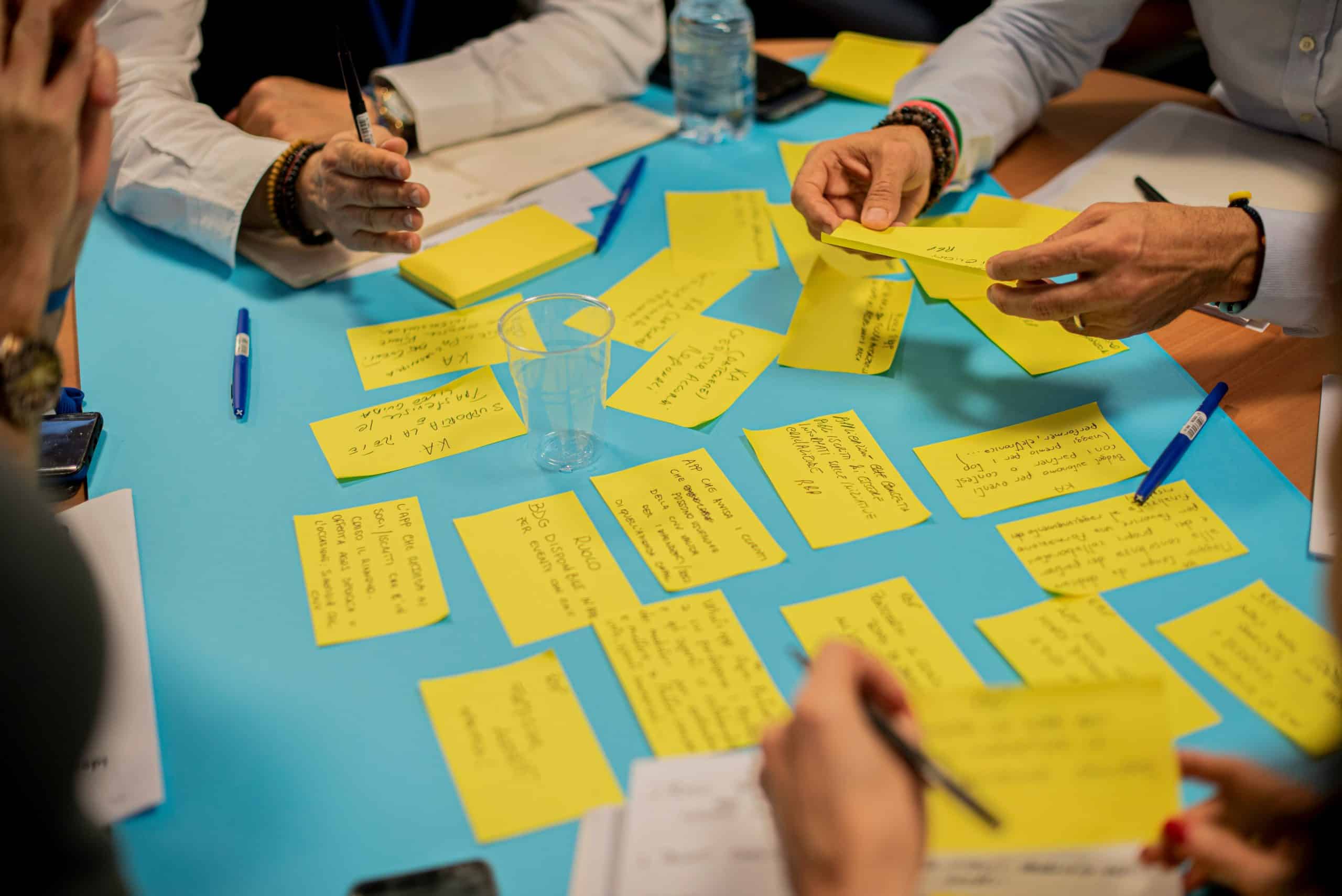
Stakeholder engagement is rarely questioned in economic development. It appears in every strategy, every funding bid, every business case. The expectation is clear: engagement will happen. But the difference between consultation that adds real value and consultation that simply creates activity lies in how well it is planned.
In our experience working with places across the UK, the success of engagement is decided long before the first conversation takes place. It is shaped by the clarity of thinking at the outset. These are the principles that consistently make the difference.
Start with purpose, not process
The temptation is always to begin with logistics - workshop formats, invite lists, timelines. But effective consultation starts earlier than that. What are you trying to understand? What assumptions need to be tested? Which decisions will stakeholder insight genuinely inform? Without this clarity, engagement drifts. With it, everything becomes sharper - who to speak to, what to ask, and what constitutes a meaningful outcome.
Look beyond the usual voices
Every place has its established stakeholders - the engaged, the visible, the willing contributors. They matter, but should not be considered as providing the full picture. A well-designed consultation actively seeks out those less frequently heard: micro-businesses, supply chain firms, emerging sectors, community groups without formal structures, and individuals who do not routinely attend meetings. Reaching these voices requires intent. It means going to people rather than expecting them to come to you, adapting formats, and working through trusted intermediaries.
Be clear about what can change
Consultation builds trust only when it is genuine. If elements of a project are fixed, or outside scope, this should be explicit from the outset. Equally, constraints - financial, policy, or political - should be understood. Stakeholders do not expect influence over everything. They do expect honesty about where their input will matter.
Know when not to ask
This is the part people rarely talk about, but it’s crucial. Sometimes the most respectful thing you can do is not ask again. If you already have recent, high quality insight, and nothing material has changed, going back out risks wasting people’s time and contributing to consultation fatigue. And if the scope is fixed, consulting can feel disingenuous. This is where the economic development professional can be the person to “hold the pen”. You understand the context, the evidence, and the cumulative burden on stakeholders. You’re the one who can say: we’ve heard this before, and we’re using it. Good consultation is purposeful, not mechanical.
Plan for proportionate engagement
Not every project needs a full suite of workshops, interviews, surveys, and roundtables. Sometimes, a handful of targeted conversations will give you everything you need. Other times, you’ll need a broader, more structured approach.
The key is proportion. Think about the scale of the project, the level of impact, the time available, and the capacity of the people you’re asking to engage. Respecting people’s time is one of the simplest ways to build trust.
Plan for what happens next
Consultation should not end when a strategy is signed off. Economic development is iterative. Priorities evolve, markets shift, and delivery raises new questions. Maintaining dialogue through steering groups, business forums or targeted follow-ups keeps strategies grounded and responsive to real-world conditions.
From consultation to shared ownership
At its best, stakeholder engagement does more than gather insight. It builds alignment, trust, and a shared sense of direction. No single organisation delivers economic growth alone. Progress comes from partners who recognise their role in a collective ambition and feel invested in its success.
The Mickledore approach to stakeholder engagement
At Mickledore, we bring deep experience in designing and delivering stakeholder engagement that adds real value - whether as part of a wider project or as the central focus of the work. We work with clients to define a clear purpose for consultation, develop proportionate and targeted approaches, and, crucially, translate insight into robust, actionable strategy. Our role is to provide the structure, clarity and credibility that ensures engagement doesn’t just happen, but has a tangible impact on decisions and outcomes. To discuss how Mickledore can support your work, contact Nigel Wilcock at nwilcock@regionaldevelopment.co.uk.